
Beyond the Snellen Chart: The Architecture of Vision in the Florida Sun
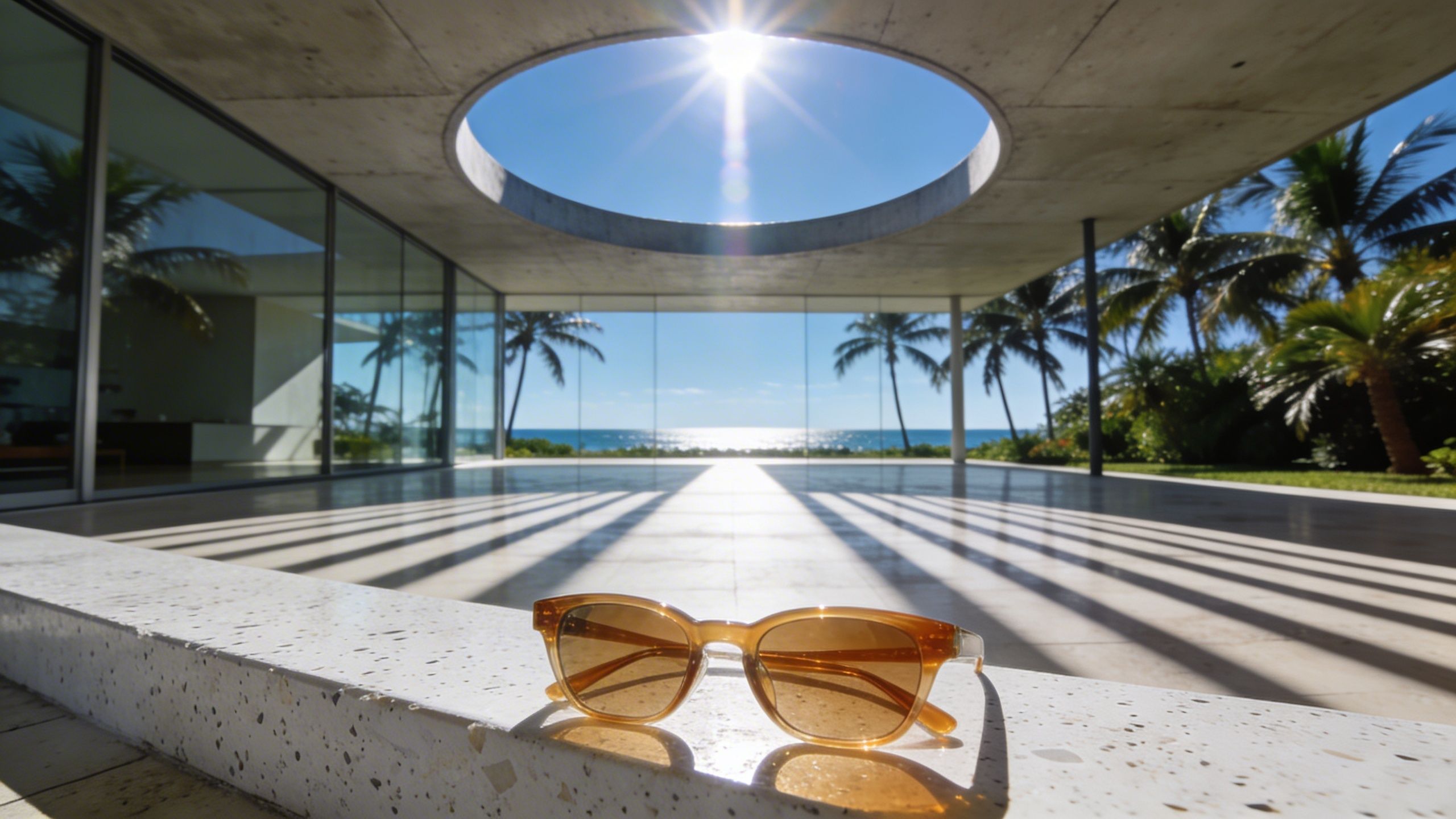
Beyond the Snellen Chart: The Architecture of Vision in the Florida Sun
The Florida sun doesn’t just glare; it demands a tax on your retinas. By 2 PM in Coral Springs, the light bouncing off the pavement near University Drive is enough to make anyone squint, but most of us don’t realize that squinting is just the surface of a much deeper biological negotiation. Seeing well isn’t just about ’20/20’—it’s about the hidden architecture of your eyes and the technology we use to map it.
The Map and the Territory
Most people think an eye exam is just reading letters off a wall until they get blurry. That’s the Snellen chart, and it’s over 160 years old. It’s useful, but it’s like trying to understand a city by looking at a single postcard.
At Modern Optical FL, we prefer the satellite view. This is where ultra-widefield retinal imaging comes in. Imagine your retina as the interior of a globe. Traditional methods allow us to see maybe 15% of that surface at a time. It’s a keyhole view. Ultra-widefield imaging, however, captures about 200 degrees—roughly 82% of the retina—in a single, painless flash.
Why does this matter? Because the edges of your retina are often where the first whispers of trouble appear. We’re not just looking for blurry vision; we’re looking for the structural signatures of hypertension, diabetes, and even certain types of cancer that manifest in the blood vessels of the eye long before you feel a single symptom. It isn’t just an eye exam; it’s a physical for your vascular system.
The Tactile Weight of Style
Once the clinical work is done, the conversation shifts from biology to architecture. A frame isn’t a medical device; it’s the only piece of clothing you wear on your face every single day. It has to handle the humidity of a South Florida summer without sliding, and it has to reflect who you are when you aren’t thinking about your eyes.
We’ve moved toward a philosophy of ‘slow eyewear.’ Just as the wellness movement has embraced sustainable textiles and ethical consumption, we look for frames that have a story.
Hand-polished acetates: These aren’t poured into a mold. They’re cut from blocks, resulting in a depth of color and a weight that feels substantial but balanced.
Sustainable materials: We’re seeing a shift toward bio-acetates and recycled titanium—materials that respect the planet as much as they respect your aesthetic.
The Fit: It’s in the bridge. It’s in the way the temple wraps. I’ve seen a person’s entire posture change simply because they finally found a frame that didn’t pinch or slide.
More Than a Prescription
I recently sat with a patient who had been wearing the same contact lens brand for a decade. He’d accepted dry, gritty eyes as a cost of doing business with his lifestyle. We changed his protocol to a silicone hydrogel lens with a higher oxygen transmissibility and integrated a simple nutritional adjustment—increasing specific Omega-3 fatty acids to support his lipid layer. Two weeks later, he told me he’d forgotten he was wearing them.
That’s the goal. Vision care shouldn’t be a chore you check off every eighteen months. It’s a continuous calibration of your health and your presentation to the world.
The Local Reality
Living in Coral Springs means our eyes work harder. Between the digital strain of our professional lives and the high UV index of our weekend lives, our eyes are under constant bombardment.
If you haven’t seen the back of your eye in a few years, you aren’t just missing out on clarity; you’re missing the data your body is trying to give you. Whether you’re looking for a pair of frames that feel like a second skin or you need to know why your night vision isn’t what it used to be, we’re here to do the work.
Stop by. Let’s look at the map together.