
The Sun, The Screen, and the Science of Seeing: Why Vision Care is the Ultimate Wellness Ritual
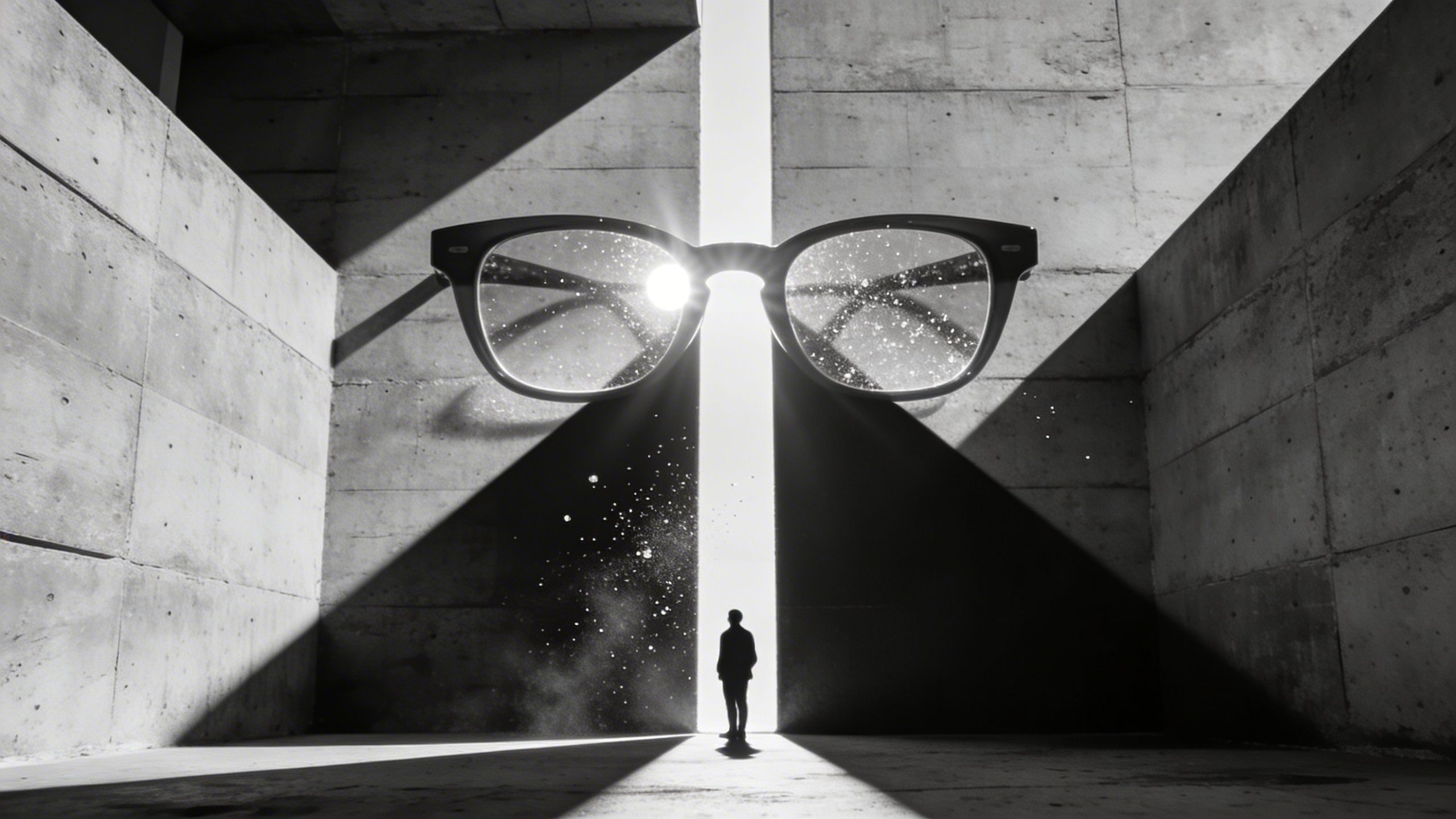
The Sun, The Screen, and the Science of Seeing
The sun in Coral Springs doesn’t just shine; it interrogates. It bounces off the asphalt on University Drive and finds every weakness in a pair of cheap drugstore sunglasses. If you’ve lived here through even one summer, you know the squint. It’s the muscle-memory response to a sky that refuses to dim. But vision isn’t just about blocking the glare. It’s about what’s happening behind the iris, in the dark, quiet architecture of the retina.
The Internal Galaxy: Beyond the Prescription
At Modern Optical FL, we’ve moved past the era of “Which is better, one or two?” That’s the baseline. The real work happens when we map the 200-degree expanse of your eye with ultra-widefield retinal imaging. Most standard exams only show you about 15% of the retina at a time. That’s like trying to navigate Florida with a map that only shows three blocks of Miami.
Our imaging technology is different. It’s a satellite view of your internal health. We aren’t just looking for a new lens power; we’re looking for the subtle flickers of hypertension, the early shadows of diabetes, or the tiny peripheral tears that lead to a detached retina. These aren’t just “eye problems”—they’re systemic signals. I’ve seen patients discover cardiovascular issues in our chair months before they felt a single symptom. It’s high-resolution data for a high-stakes organ.
The Ethics of the Frame
We’re also humans who live in the world, and we care about how we look when we step into a meeting or a local café. This is where the science of the exam meets the ethics of the frame. For too long, the optical industry has been a parade of disposable plastics. We’re changing that narrative.
Our curation leans heavily into sustainable fashion—think bio-acetates derived from wood pulp and recycled surgical-grade metals. These are frames that feel substantial in your hand and light on the planet. When you choose a frame made with intention, you’re not just correcting your vision; you’re making a statement about the kind of consumer you want to be.
Bio-Acetate: Plant-based, biodegradable, and richer in color than petroleum plastics.
Personalized Fitting: We don’t just hand you a box. We measure vertex distance and pantoscopic tilt. If those words sound like engineering, it’s because they are. Your vision depends on how the light hits the lens relative to your unique facial structure.
Blue-Light Filtering: We’re all glued to screens. Whether you’re a developer or a student, your eyes are working overtime to process high-energy visible light. We integrate filtering that isn’t a yellow-tinted gimmick, but a functional barrier against digital fatigue.
A Local Perspective
I remember a patient who came in last month, a teacher here in Coral Springs. She’d been dealing with chronic headaches she attributed to stress. We didn’t just give her a stronger prescription; we looked at her visual habit—the distance to her laptop, the fluorescent lighting in her classroom, and the UV exposure during her commute. We built a lens profile specifically for her day-to-day reality. Two weeks later, the headaches were gone.
That’s the difference between a retail transaction and professional optometric care. One sells you a product; the other manages your quality of life.
Your Future Self is Watching
Vision care isn’t a chore to be checked off a list once every three years. It’s a preventative ritual. In a state where the UV index regularly hits the danger zone, and in a culture where our eyes are tethered to digital devices, your sight is your most taxed sense.
Don’t wait until the edges start to blur or the